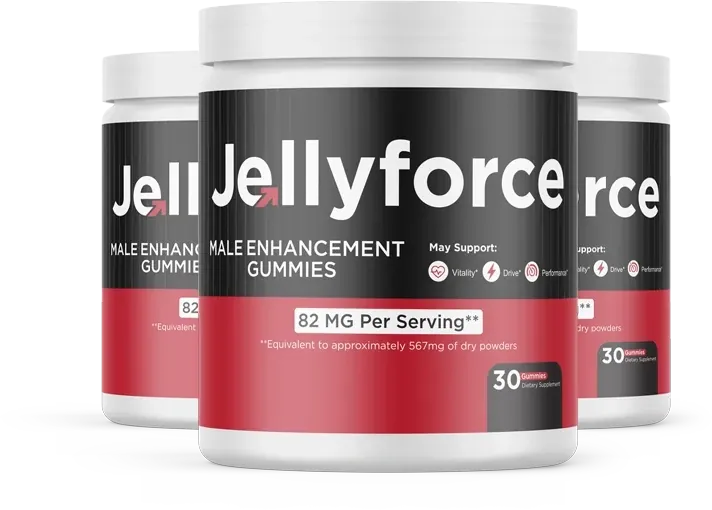
Verifying a Jelly Force lot and CoA reference
Lot JEL-26/JE-5563 and CoA JEL-5563-26-JE are draft references, not lab proof. A real certificate would show identity, potency and contaminant testing, plus an undeclared-drug screen. We hold none of that. If a jar looks wrong or the seal is broken, do not take it, and call the order desk on +1 (302) 200-3480.
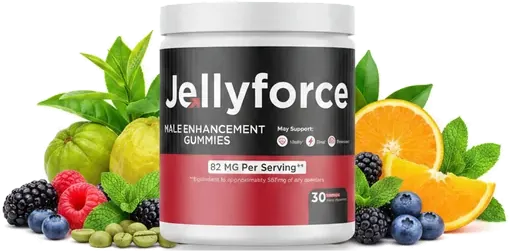
Lot and CoA: two references, and neither is a lab result
Two codes travel with this product: lot JEL-26/JE-5563 and CoA reference JEL-5563-26-JE. Both look official, and both invite a natural assumption: that somewhere behind them sits a lab report a buyer could ask to see.
We looked. We hold no such report, and the official page we could reach does not link one. What we have are two reference strings, formatted the way a lot number and a document number usually look. That makes them draft references, not lab proof, and that distinction is the whole subject of this page.
What a real certificate of analysis actually contains
A genuine certificate of analysis is a lab document, not a marketing asset. It is produced by a testing lab after checking an actual sample against an actual specification, and it reads more like a lab report than a webpage. Here is what one normally contains.
| What a real CoA shows | Why a buyer would want it |
|---|---|
| Identity confirmation for each ingredient | Confirms the plant or compound in the jar is what the label says it is, not a cheaper substitute or a mislabeled species |
| Potency, or an assay figure, for each active | States how much of an ingredient is actually present, checked against the amount the label claims rather than assumed from the recipe |
| Heavy metals: lead, arsenic, cadmium, mercury | Botanicals can concentrate metals from soil. A CoA states the measured level against a safety limit |
| Microbial limits: yeast, mould, E. coli, salmonella | Confirms the batch was not contaminated during growing, drying or manufacturing |
| Pesticide and solvent residue screening | Confirms nothing from farming or extraction remains in the finished product above a set limit |
| The testing lab's name, accreditation and a signed date | Ties the results to a specific, accountable lab rather than to the brand marking its own homework |
| A sample and batch reference matching the product in hand | Confirms the document describes the jar you are actually holding, not a different run or a generic template |
None of that exists as a document we hold or could find published for Jelly Force. A CoA reference number, on its own, is a label on an empty folder until a lab report actually fills it.
The one test that matters most in this category
One line on that list matters more here than on almost any other supplement category: an identity-and-adulterant screen. This is a specific lab test that checks a sample against a panel of undeclared pharmaceutical compounds, not just against the ingredients the label claims.
For a sexual-enhancement product, that screen is built to catch sildenafil, tadalafil and their close structural analogues, the active ingredients behind Viagra and Cialis. It looks for those compounds specifically because this category has a documented history of containing them, undeclared, at real pharmaceutical doses (Fischer et al., 2023).
We have no test result for this jar and are not alleging anything about it. The point is narrower: in a category where undeclared prescription drugs turn up this often, an identity-and-adulterant screen is not an optional extra line item on a CoA. It is the one test that would actually tell a buyer something they cannot see for themselves by opening the jar. A "Natural Ingredients" seal does not test for it, and neither does an FDA facility listing. More on both of those on testing and quality marks and hidden drug ingredients.
How to read a lot code, in general and on this jar
LotJEL-26/JE-5563
What a lot code is generally for
A lot or batch code exists so a manufacturer can trace one production run: which ingredients went in, which equipment was used, and which other jars came off the same line the same day. Segments in a lot code often stand for a plant or line identifier, a year or date, and a sequential run number, in whatever order that manufacturer chose.
What we can say about this one
Lot JEL-26/JE-5563 follows that general shape: letters and numbers separated by a slash, in a format consistent with a batch reference. No manufacturer key for reading it is published anywhere we could find, and no manufacturer or distributor block appears on the artwork we hold to ask. So we can describe what a lot code is normally for. We cannot decode this specific one for you, and a page that claimed to would be inventing a key that does not exist in our material.
Matching your jar to your order by phone
Find the lot code on your jar
It should read close to JEL-26/JE-5563. Small print differences between a listing and a physical jar happen between production runs, so do not assume a slight mismatch alone means anything is wrong.Have your order ID ready
It is on the order confirmation email. This, not the lot code, is what actually lets the order desk pull up your specific purchase.Call the order desk
+1 (302) 200-3480 is the number that can see order records and compare details against what shipped on your order.Ask directly if anything looks off
A different lot code than expected, a seal that looks disturbed, or contents that look different from the product photos are all reasonable things to ask about by phone rather than guess at alone.
What to do if a jar looks wrong or the seal is broken
The boxed warning on the label is direct: keep out of reach of children, and do not use if the safety seal is damaged or missing. That instruction is not specific to this page. It applies the moment you notice it, before you decide whether the rest of the jar looks fine.
Seal broken or missing
Stop. Do not taste or take a gummy to check. Photograph the jar as received and call the order desk before doing anything else.
Color, smell or texture look different
Gummies can soften in transit heat without anything being wrong, but a jar that smells off, looks discolored, or feels tampered with deserves the same call rather than a guess.
Lot or CoA reference does not match what you expected
Different production runs can carry different lot codes, so a mismatch is worth a call rather than an alarm on its own. Bring your order ID.
Missing label claims you remember seeing before
If a jar is missing wording you recall from an earlier order, mention it specifically. The order desk can compare it against current stock.
In every one of those cases, the order desk on +1 (302) 200-3480 is the right first call, not a forum post or a guess. For a return or exchange once you have spoken to them, see the refund policy.
Why this page exists at all
Most sites that sell a supplement print a lot code and a CoA reference and leave it there, on the reasonable bet that few buyers ever ask what stands behind either one. We are printing them and then answering the question, because the honest answer is that neither reference currently resolves to a document a buyer could read.
That is consistent with the rest of this site: four published sources disagree on what is even in the jar, and no Supplement Facts panel exists to check any of it against. A lot code and a CoA reference that do not lead anywhere are one more version of the same gap. See what is actually in it for the ingredient side of that gap, and the supplement facts page for the missing panel itself.
Batch Verify: common questions
What is lot JEL-26/JE-5563?
A batch reference printed for this product. It follows the general shape of a manufacturing lot code, but no key for decoding it is published, and it is not itself a lab result.
What is CoA JEL-5563-26-JE?
A document reference. We hold no certificate of analysis behind it, and the official page we reached does not publish one either. Treat it as a draft reference, not proof of testing.
Is a lot code the same as a certificate of analysis?
No. A lot code identifies a production run. A certificate of analysis is a lab report showing what that run actually tested at. This product has the first and, as far as we can find, not the second.
What would a real CoA show that matters most for this category?
An identity-and-adulterant screen, checking for undeclared sildenafil, tadalafil or similar drugs. That is the test that would actually reassure a buyer in this specific category.
How do I check my jar against my order?
Call the order desk on +1 (302) 200-3480 with your order ID. The lot code on the jar is useful context, but the order ID is what actually lets them look up your purchase.
My jar's seal is broken. What should I do?
Do not take a gummy from it. Photograph the jar and call the order desk before doing anything else.
Does Jellyforcefit manufacture Jelly Force?
No. Jellyforcefit is an authorized US retailer. No manufacturer or distributor address appears on any artwork we hold.
Can I get a copy of the certificate of analysis?
Not from us. We hold none. If you find one published elsewhere, we would like to see it, and the same goes for a photographed Supplement Facts panel; see the contact page.
Keep reading
Testing and quality marks
What each seal on the jar means, and what it does not establish.
Read →Hidden drug ingredients
The FDA record for sexual-enhancement supplements, explained without alleging anything about this product.
Read →The missing supplement facts
No panel exists for this product. Here is what one would normally show.
Read →Order Jelly Force from the authorized retailer
60 servings per bottle, 1 to 2 droppers a day. Kits of 2, 3 or 6 bottles run from $49 a bottle on the sales page, with a 60-day money-back guarantee. Questions first? Call +1 (302) 200-3480.